When most people think of core training, the first image that comes to mind is endless sit-ups or crunches, often pursued in hopes of sculpting a visible six-pack. But at Celtic Iron Fitness in Clyde North, we want to challenge that image. Core strength isn’t just about aesthetics. It’s about building a solid foundation for every movement you perform – both in and out of the gym. Let’s unpack what really builds a strong, functional core and why your training approach matters more than ever.
What Does “Core” Really Mean?
Your core is more than your abs. It includes the entire trunk area – front, back and sides – comprising muscles such as the rectus abdominis, transverse abdominis, obliques, multifidus, erector spinae and even your diaphragm and pelvic floor. These muscles work together to stabilise your spine, transfer force across your body and protect you from injury.
In reality, the core is your body’s powerhouse. It’s responsible for allowing you to bend, twist, reach, push, pull, and lift with control and safety. That’s why we take a full-spectrum approach to core training at Celtic Iron Fitness, rather than relying on outdated techniques.
Why Endless Crunches Fall Short
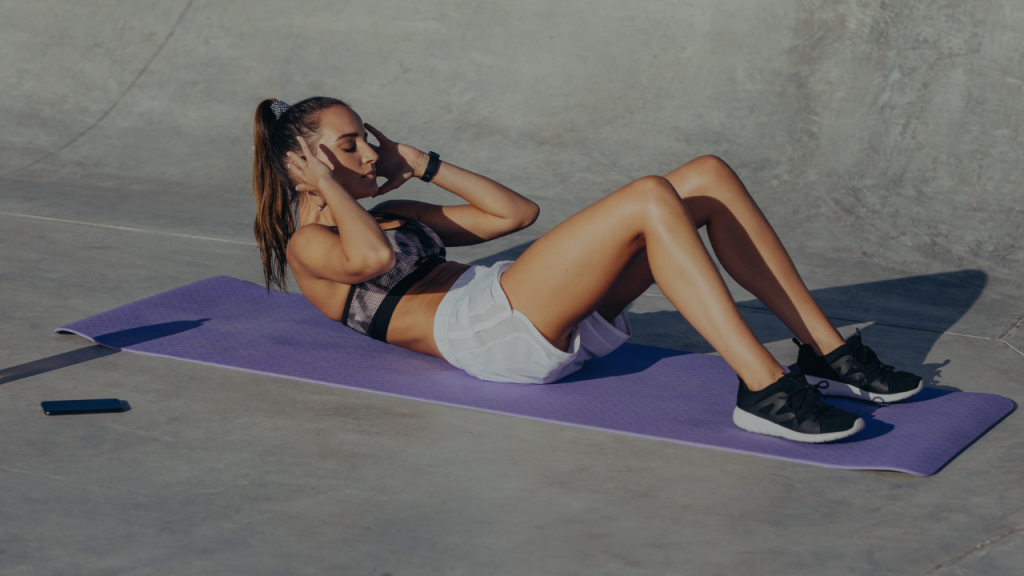
Sit-ups and crunches may target the outer abdominal muscles, but they don’t engage the deeper stabilising muscles that are crucial for overall strength, performance, and injury prevention. Repetitive crunches can also put unnecessary strain on your neck and lower back, especially if done with poor form or without appropriate progression.
At Celtic Iron Fitness, our personal trainers work with clients to replace ineffective exercises with purposeful movement patterns that develop strength in real-world scenarios. That means engaging your core through controlled, compound, and functional lifts, not just crunching away on a mat.
What Functional Core Training Looks Like
Functional core training means training your midsection to stabilise the spine under load and during movement. Instead of just flexing forward (as with crunches), we also train anti-rotation, anti-extension, and isometric holds. Think planks, dead bugs, bird-dogs, Pallof presses, kettlebell carries, and even big compound lifts like squats and deadlifts, when performed with proper bracing.
These exercises challenge your core in ways that mimic real life, helping you develop strength, balance, and coordination. They also carry over into other athletic movements, like running, jumping, lifting, and even posture in day-to-day life.
The Role of Core in Lifting Performance
If you want to lift heavy, you need a strong core. Period.
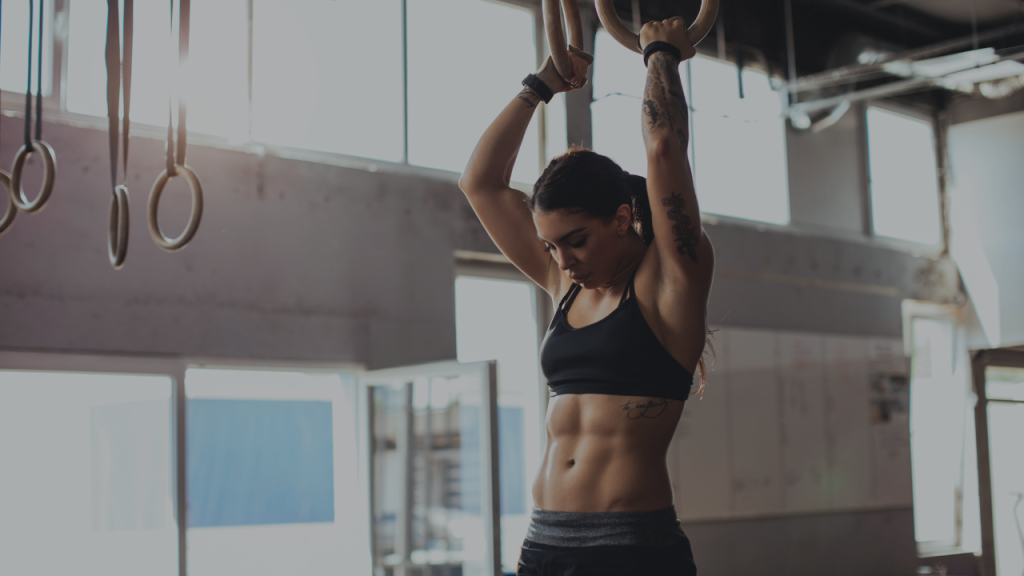
Whether you’re squatting, deadlifting, pressing overhead, or performing Olympic lifts, your core is what keeps your spine neutral and stable. It creates a solid foundation for power transfer between your upper and lower body. When trained correctly, your core helps prevent energy leaks, meaning you can lift more, more safely.
Our coaches at Celtic Iron Fitness are trained to teach you how to “brace” your core, breathe under tension, and use internal pressure to stabilise your spine for maximum performance.
Integrating Core Work Into Your Training
Core training shouldn’t be something you tack on to the end of your session. Instead, it should be woven into your warm-ups, your main lifts, and your conditioning finishers. At Celtic Iron Fitness, we often include core activation drills at the beginning of sessions to “wake up” the trunk muscles, and we use integrated exercises throughout the session to keep your midsection engaged and responsive.
A strong core also contributes to injury prevention, better balance, improved posture, and even more efficient breathing mechanics. This is especially important for beginners who are just starting to build strength, as well as experienced lifters looking to break through plateaus.
Core Strength for Everyday Life
Beyond lifting, core strength plays a vital role in everyday movement. From carrying groceries, picking up kids, gardening, or even sitting with good posture at a desk, your core is involved. A weak or inactive core can contribute to lower back pain, poor posture, and reduced mobility over time.
Functional core training ensures your strength is applicable to the real world, not just isolated to the gym environment. It supports an active, independent lifestyle as you age, and helps build a stronger, more confident version of you.

Personalised Core Coaching at Celtic Iron
At Celtic Iron Fitness, we don’t just hand you a list of ab exercises. We teach you how to feel and understand your body, how to activate deep core muscles, breathe effectively, and brace properly during heavy lifts or dynamic movements.
Our experienced personal trainers assess your movement patterns and customise your core programming based on your goals, posture, and lifting experience. Whether you’re a beginner or an advanced athlete, we can guide you toward core strength that matters.
Want to work with a coach? Meet the team and see how we can help.
How to Get Started with Us
Ready to build a stronger core, move better, and train with purpose? Whether you’re recovering from injury, working toward your first big lift, or simply want to feel better in your body, our team is here to support you.
Learn more about us on our About page, get in touch via our Contact page, or drop into our Clyde North gym to chat in person. We’d love to help you get started on your fitness journey.
Conclusion
Your core is the center of all movement and strength. It deserves more than a few rushed sit-ups at the end of your workout. By prioritising functional, full-body core training and integrating it into your routine, you’ll build strength that’s not just visible, but useful.
At Celtic Iron Fitness, we help you train smarter, move better, and feel stronger, starting from your core. Let’s build the foundation together.